
Communities · 3 minute read
Mice Ignoring the Traps? Check the House Before Adding More Poison
A Rochester homeownership checklist for entry-point inspection, safer rodent control and cleanup when improvised trapping has not worked.
The short answer
A persistent mouse problem calls for an entry-point and food-source inspection, not an escalating collection of poisons or a borrowed pet. Follow CDC cleanup guidance and ask a qualified pest professional for a coordinated exclusion and monitoring plan.
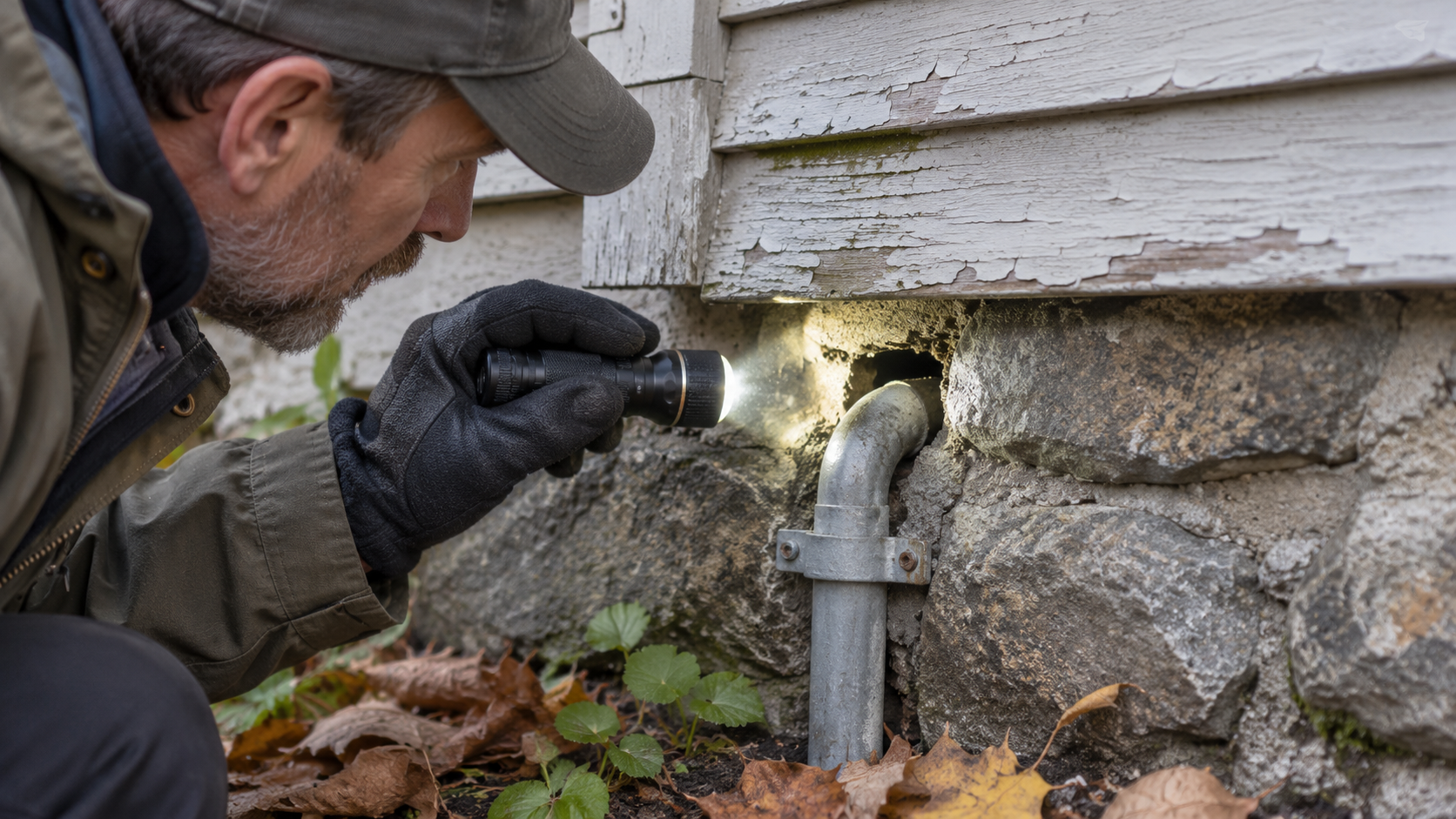
Original AI-created editorial illustration for Ellison Realty Services. Conceptual artwork, not an actual property, person, inspection or neighborhood safety assessment.
Treat persistence as an inspection problem
A Rochester resident described trying multiple traps and adding poison while continuing to see a mouse. One sighting pattern cannot establish how many animals are present or why a trap has failed. Keep a simple record of fresh activity and locations, then inspect the building rather than assuming the animal is unusually clever. Ask a professional to identify the pest and explain the likely access routes. The answer should include prevention, not just another product.
Look for access and food, not just a place for a trap
CDC notes that mice can pass through openings about a quarter inch wide. Check accessible gaps near doors, cabinets and utility penetrations, and ask about hidden routes when you cannot inspect safely. Store food and pet food securely, clean spills and keep garbage covered. Have repairs made with appropriate materials without blocking required vents or disturbing wiring or fuel lines. An exclusion plan should identify what will be sealed, by whom and how follow-up activity will be checked.
Do not turn the home into a pesticide experiment
EPA warns that misused rodent poison can harm people and pets, and some poisoned rodents can expose animals that eat them. Do not borrow a cat as a response to a home where poison has already been placed. Tell a pest professional exactly which products were used and where, and follow their labels for safe handling and disposal. Keep children and pets away from baits and traps. Do not mix products, scatter additional loose bait or improvise chemical remedies based on online comments.
Use a controlled plan and clean safely
CDC recommends traditional snap traps for household rodent control and advises against glue and live traps because frightened rodents may urinate and increase exposure risk. Follow trap instructions and keep devices inaccessible to children and pets. For droppings, CDC says not to sweep or vacuum them dry. Wear appropriate gloves, wet the material with a suitable disinfectant and follow the product’s contact-time instructions and CDC’s cleanup steps. Heavy contamination or inaccessible nesting areas may need professional attention.
Ask for measurable follow-up
A useful service proposal explains the inspection findings, entry repairs, monitoring schedule, cleanup scope and conditions for a return visit. Keep photographs and service records with your home-maintenance documents. If you rent, notify management promptly in writing and document the condition; responsibility depends on the circumstances and applicable housing rules. This article is not a diagnosis of the original poster’s home, and it does not validate ultrasonic gadgets, essential oils or a particular pest-control company.
Further reading
Educational information, not legal, tax, lending or investment advice. Verify property-specific details and current requirements with qualified professionals.